

Designing an outdoor space in the UAE means solving for two things above all: heat and safety. Surfaces bake in the sun, and pool surrounds need reliable grip when wet. Travertine answers both, which is why it has become a favourite for villa terraces, pool decks and gardens across Dubai.
Here is what makes travertine such a strong outdoor performer, where to use it, and how to specify it so it lasts in the local climate.
This complete guide walks through everything from choosing the stone to layout, finishes, cost and care, so you can brief your supplier with confidence and avoid the common pitfalls.
Key Takeaways
- Stays cool: travertine reflects heat and stays comfortable underfoot even in peak summer.
- Slip-resistant: its naturally textured, tumbled surface grips well when wet, ideal around pools.
- Weather-tough: it resists UV fading and copes with the UAE’s heat and humidity.
- Warm, natural look: earthy tones blend beautifully with landscaping and modern villa exteriors.
What is travertine and where does it come from?
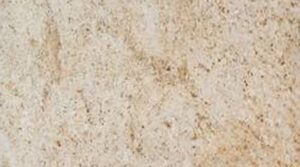
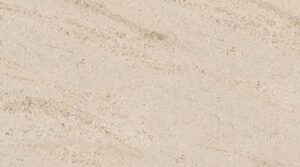
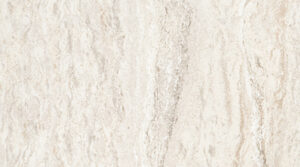
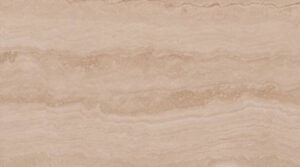
Travertine is a form of limestone deposited by mineral-rich springs over thousands of years. That natural formation gives it a distinctive surface dotted with small pits and a warm palette of creams, beiges, browns and golds.
For outdoor use it is usually supplied, with the pits filled for a smoother surface, or in a tumbled finish that keeps its naturally textured, slip-resistant character. The choice between the two comes down to the look you want and how much grip the area needs.
Why is travertine ideal for the UAE climate?
Three properties make travertine especially well suited to outdoor spaces in Dubai and the wider UAE:
- Heat reflection: light-coloured travertine absorbs less heat than darker stones and many man-made surfaces, so it stays cooler underfoot in direct sun.
- Slip resistance: its textured surface provides grip when wet, a key safety factor around pools and water features.
- Durability: properly sealed, travertine withstands UV exposure, temperature swings and humidity without fading or degrading.
Where can you use travertine outdoors?
Application | Why travertine works |
|---|---|
Pool decks & coping | Cool, slip-resistant and comfortable for bare feet |
Terraces & patios | Warm tones, durable, stays cool for outdoor living |
Garden & landscape paving | Natural look that blends with planting and hardscape |
Driveways & pathways | Hard-wearing with good grip underfoot |
Facade & wall cladding | Textured character and weather resistance |
Outdoor stairs | Slip-resistant treads for safety |
For pool projects specifically, see our guide to the best natural stones for swimming pools.
How does travertine compare with other outdoor stones?
Travertine’s main rivals outdoors are granite and porcelain. Granite is harder and extremely durable, making it excellent for high-traffic and driveway use, but darker granites can get hot in the sun. Porcelain is consistent and low-maintenance but lacks the natural depth and variation of real stone.
Travertine sits in the sweet spot for residential outdoor living: cool, characterful and slip-resistant, with a warmth that complements UAE landscaping. For a sense of how the harder stones behave by comparison, our marble vs granite guide is a useful reference.
How do you maintain outdoor travertine?
Travertine is low-maintenance but benefits from a little routine care:
- Sweep or rinse regularly to remove sand and debris.
- Clean with a pH-neutral stone cleaner; avoid acidic products.
- Seal on installation and reseal periodically to guard against staining and weathering.
- Address spills from sunscreen, food and drink promptly around pools and dining areas.
Our stone maintenance guide covers sealing and cleaning in more detail.
Does travertine work for modern villa designs, or only traditional ones?
Travertine is remarkably versatile. In a tumbled, warm finish it lends a Mediterranean or resort feel, while large-format, filled-and-honed travertine reads as clean and contemporary, perfect for the minimalist villa exteriors common in newer Dubai communities.
Pairing travertine with crisp architecture, frameless glass and simple planting gives a calm, high-end result that still feels natural underfoot. That adaptability is a big part of why it appears in so many of the region’s outdoor schemes.
Why choose Marmara Marble & Granite for travertine in the UAE?
Marmara Marble & Granite supplies travertine in a range of colours, sizes and finishes suited to UAE outdoor conditions, from tumbled pool coping to filled terrace pavers. With warehouses in Sharjah and Dubai and stone sourced from leading quarries, we help villa owners, landscapers and developers select the right travertine and specify the correct filling, finishing and sealing.
The result is an outdoor surface built to stay cool, safe and good-looking in the local climate for years. Explore the natural stone range to begin your outdoor project.
Tejesh Chinthagumpala, Managing Director, Marmara Marble & Granite LLC
Tejesh Chinthagumpala is the Managing Director of Marmara Marble & Granite LLC, a UAE-based natural stone supplier and installer. A civil engineer and PMP-certified project manager trained at NICMAR Hyderabad, he previously delivered large-scale projects with Desert Group in Dubai. Since acquiring Marmara in 2022, he has grown the company from seven to 150+ specialists and expanded its operations across the UAE, Oman and Saudi Arabia.