



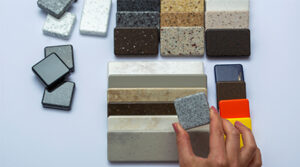
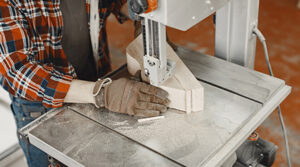
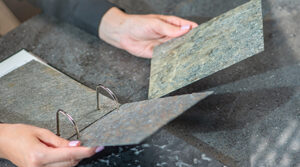
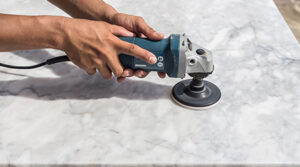
Choosing between marble and granite is one of the first decisions homeowners face when planning a renovation or a new build in Dubai, and it is easy to get stuck. Both are beautiful, both are natural, and both add genuine value to a property. Yet they behave very differently underfoot, around heat and over years of daily use.
This guide breaks down how the two stones differ in geology, durability, looks, cost and upkeep, then maps each one to the rooms where it performs best, so you can match the right stone to the right space with confidence.
Key Takeaways
- Granite is the workhorse. Harder, heat-resistant and low-maintenance, best for kitchens and busy floors.
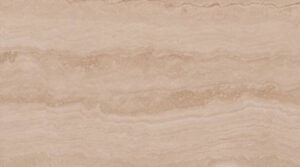
- Marble is the showpiece. Softer and more porous, but unmatched for veining and a luxurious feel in lower-traffic, decorative areas.
- The UAE climate matters. Both stay cool underfoot, but sealing and finish choice are what protect them against heat, humidity and fine sand.
- Use-case beats rules. Many Dubai homes use both, granite where it works hard, marble where it makes a statement.
What is the difference between marble and granite?
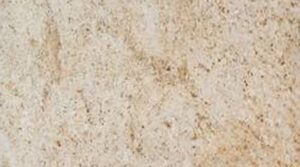
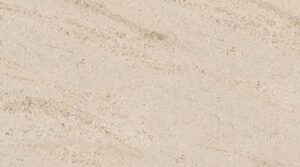
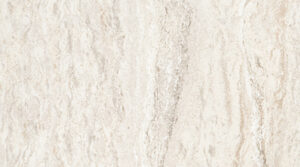
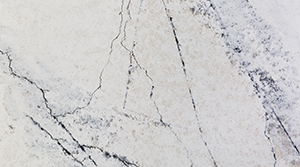
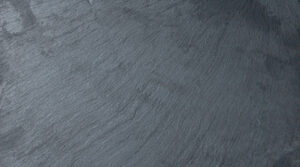
The simplest way to understand the two stones is to look at how they form. Granite is an igneous rock, created as molten magma cools slowly deep underground. That process locks together hard minerals, mainly quartz and feldspar, giving granite its speckled appearance and considerable strength. Marble is a metamorphic rock: limestone recrystallised under heat and pressure into the soft, flowing veins prized in luxury interiors.
That difference in geology explains everything that follows. Granite’s interlocking crystals make it dense and scratch-resistant. Marble’s calcium-carbonate make-up makes it softer and reactive to acids, which is why a splash of lemon or vinegar can leave a dull etch mark on a polished marble worktop. Neither is fragile, both have been used in landmark architecture for centuries, but they reward different handling.
Which stone is more durable in Dubai's climate?
For everyday durability, granite wins. It sits around 6 to 7 on the Mohs hardness scale, resists scratches from knives and cookware, and shrugs off hot pans straight from the hob. Marble is softer, roughly 3 to 4 on the same scale, so it scratches and etches more easily and needs gentler handling.
Dubai’s specific challenges, intense summer heat, seasonal humidity and ever-present fine sand, affect both stones less than you might expect, because natural stone is inherently heat-tolerant and stays pleasantly cool underfoot. The real protector is correct sealing and maintenance: a well-sealed marble floor in a villa entrance can last for decades, while an unsealed one will stain and dull far sooner.
How do marble and granite compare side by side?
Feature | Marble | Granite |
|---|---|---|
Rock type | Metamorphic (recrystallised limestone) | Igneous (cooled magma) |
Hardness (Mohs) | ~3-4 (softer) | ~6-7 (harder) |
Heat resistance | Good, but can scorch / etch | Excellent |
Scratch resistance | Lower | High |
Staining / porosity | More porous, seal regularly | Less porous, seal occasionally |
Look | Soft, elegant veining | Speckled, bold, varied |
Best uses | Feature floors, bathrooms, walls, vanities | Kitchens, busy floors, outdoor counters |
Maintenance | Higher | Lower |
Where should you use marble vs granite in your home?
The cleanest way to decide is room by room:
- Kitchen countertops: Granite, for heat and scratch resistance. If you love the marble look, reserve it for an island that sees lighter use and seal it well.
- Living rooms and hallways: Either works. Marble delivers a grand, hotel-like floor; granite is the practical, low-fuss option for high-traffic zones.
- Bathrooms and vanities: Marble shines here, softer light, spa-like calm and beautiful veining, with sealing to handle moisture.
- Feature and accent walls: Marble (and bookmatched slabs) for drama; granite for a hard-wearing, textured statement.
- Outdoor counters and BBQ areas: Granite, every time, for its resilience in heat and sun.
For more room-specific guidance on marble selection, see our guide on how to choose the perfect marble for your Dubai home.
Which stone offers better value for money?
Neither is simply cheaper, price depends on origin, rarity, slab size, thickness and finish. Premium Italian marbles such as Statuario or Calacatta sit at the very top of the range, while many granites offer outstanding durability at a more accessible price point. Because granite needs less ongoing care, its lifetime cost can be lower even when the upfront figure is similar.
It is also worth thinking about resale. Natural stone of either kind signals quality to buyers and tenants in Dubai’s property market, and a well-chosen marble or granite floor can lift the perceived value of a home well beyond its installed cost. For current, itemised figures, see our marble and granite price guide for Dubai.
Why choose Marmara Marble & Granite for your stone in Dubai?
Marmara Marble & Granite has supplied and installed natural stone across the UAE since 2017, with warehouses in Sharjah and Dubai and a range sourced from leading quarries in Italy, Spain, India, Brazil, Turkey, Egypt, Greece and beyond. Whether you need durable granite for a working kitchen or a flawless marble floor for an entrance hall, our team helps you match the right material, finish and slab to your space, then fabricates and installs it to a precise, lasting finish.
Because we manage sourcing, fabrication and fitting in-house, we can advise on the practical trade-offs covered above and show you the actual slabs before you commit. Explore the full natural stone collection or learn more about Marmara.
Tejesh Chinthagumpala, Managing Director, Marmara Marble & Granite LLC
Tejesh Chinthagumpala is the Managing Director of Marmara Marble & Granite LLC, a UAE-based natural stone supplier and installer. A civil engineer and PMP-certified project manager trained at NICMAR Hyderabad, he previously delivered large-scale projects with Desert Group in Dubai. Since acquiring Marmara in 2022, he has grown the company from seven to 150+ specialists and expanded its operations across the UAE, Oman and Saudi Arabia.