




Polished, Honed or Brushed? How to Choose the Right Stone Finish
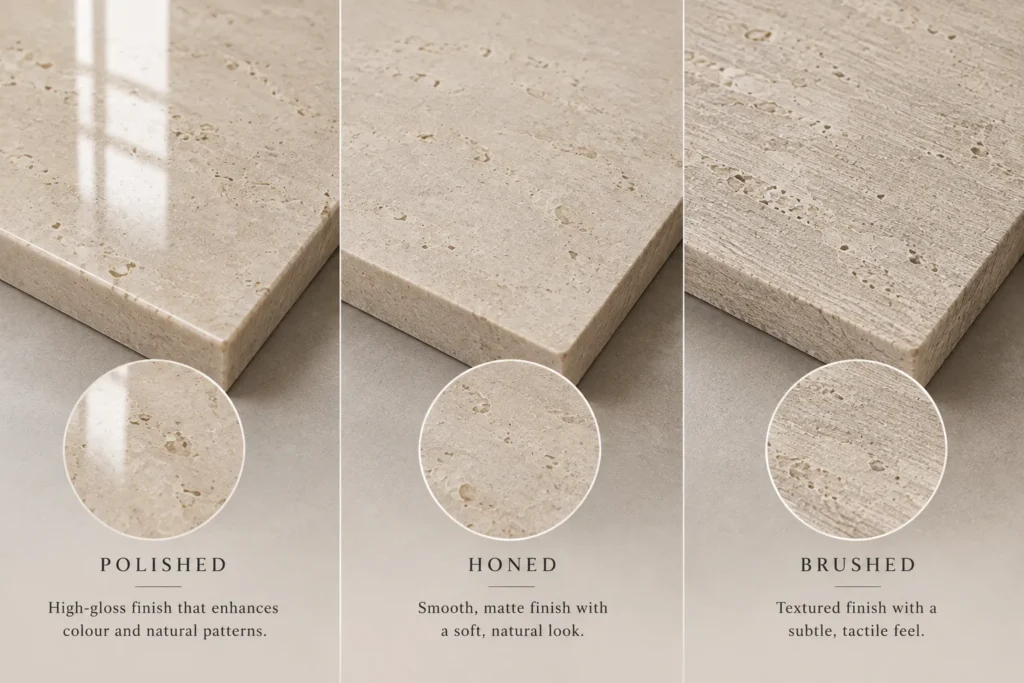
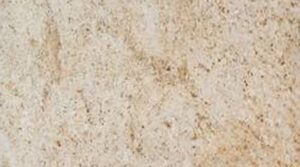
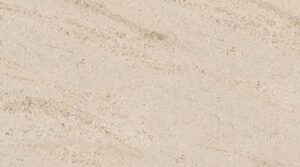
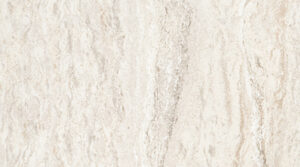
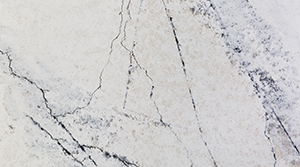
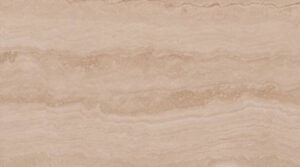
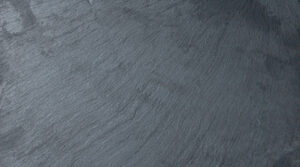
Quick Answer The right finish depends on where the stone will sit. Choose a polished finish for shine, depth of colour and a luxurious look on walls, low-traffic floors and feature surfaces; a honed finish for a soft matte appearance with better slip resistance on floors, stairs and busy areas; and a brushed finish for a textured, weathered character with excellent grip outdoors and in wet zones. In the UAE specifically, finish choice also affects slip safety and how much glare a surface reflects in strong sunlight. The same slab of marble or granite can look, and perform, completely differently depending on its finish. Finish is not just a cosmetic detail; it changes how slippery a floor is, how much a surface shows scratches and water marks, and how a stone copes with sunlight and foot traffic. Here is how the three most common finishes compare, where each one belongs, and the specialist finishes worth knowing about for particular projects. Key Takeaways Polished = glossy, reflective, richest colour, but more slippery and shows etching. Honed = smooth matte, safer underfoot, hides scratches, slightly more prone to staining if unsealed. Brushed = textured and grippy with a natural, aged look, best for outdoors and wet areas. Match finish to use, not just looks: slip resistance, glare and maintenance all change with the finish. What exactly is a stone finish? A stone finish is the surface treatment applied to marble, granite or other natural stone after it is cut. It is created by grinding, polishing or texturing the surface to different degrees. The finish determines the stone’s sheen, texture and grip, and to some extent how easily it stains or scratches. Because finish affects performance as much as appearance, the right choice depends as much on where the stone will be used as on how you want it to look. The same marble can feel formal and reflective when polished, or relaxed and contemporary when honed. What is the difference between polished, honed and brushed finishes? Finish Look & feel Pros Best for Polished Glossy, mirror-like, vivid colour and veining Luxurious, easy to wipe, brings out character Feature walls, vanities, low-traffic floors Honed Smooth matte/satin, muted colour Slip-resistant, hides scratches and etching, low glare Floors, stairs, busy areas, worktops Brushed Textured, lightly weathered, soft sheen Excellent grip, hides wear, natural look Outdoors, pool surrounds, entrances Which finish is best for floors, walls and countertops? Floors and stairs: Honed or brushed, for safer footing and to disguise everyday scratches. Feature walls and cladding: Polished, to maximise depth, shine and veining where slip is not a concern. Kitchen countertops: Honed or leathered for a modern, low-glare look; polished if you prefer shine and the easiest wipe-clean surface. Bathrooms and wet rooms: Honed or brushed underfoot for grip; polished on walls. Outdoor and pool areas: Brushed or flamed for maximum slip resistance. How does the UAE climate affect finish choice? Dubai’s strong, year-round sunlight makes polished surfaces highly reflective, which can cause glare in bright rooms and around pools. Matte honed and brushed finishes reduce that glare and feel more comfortable in sun-filled spaces. For outdoor areas, slip resistance is critical, so textured finishes such as brushed or flamed are the safe choice, a point we cover in our guide to natural stones for swimming pools. Whatever the finish, correct sealing and maintenance protects the surface against heat, humidity and fine sand. Are there other stone finishes to consider? Beyond the main three, several specialist finishes suit specific projects: Leathered: subtle texture with a soft sheen, popular on dark granites and worktops for a tactile, low-maintenance surface. Flamed: heat-treated for a rough, highly slip-resistant surface, ideal for outdoor granite paving. Tumbled: gently aged edges and surface, often used on travertine and limestone for a rustic feel. Sandblasted / bush-hammered: textured for grip and a contemporary, architectural look. For more on selecting the stone itself before you choose a finish, read our guide on choosing the perfect marble. Does the finish affect how much maintenance a surface needs? Yes. Polished surfaces are the easiest to wipe clean and resist staining well once sealed, but they show etch marks and scratches more obviously because the gloss makes any dullness stand out. Honed and textured finishes hide wear better, yet their slightly more open surface benefits from diligent sealing to stay stain-resistant. In short, no finish is maintenance-free, but each fails gracefully in a different way. Choosing with that in mind, polished where you want shine and can keep acids away, honed or brushed where you want resilience, saves effort over the life of the surface. Why choose Marmara Marble & Granite for finished stone in the UAE? Marmara Marble & Granite finishes stone in-house at its Sharjah and Dubai facilities, so you can specify exactly the surface your project needs: polished, honed, brushed, leathered, flamed and more, across marble, granite, travertine, and limestone. Our team prepares physical samples so you can see and feel each finish in your own light before committing, which is the surest way to avoid surprises after installation. Explore the full stone range to get started. About the Author Tejesh Chinthagumpala, Managing Director, Marmara Marble & Granite LLC Tejesh Chinthagumpala is the Managing Director of Marmara Marble & Granite LLC, a UAE-based natural stone supplier and installer. A civil engineer and PMP-certified project manager trained at NICMAR Hyderabad, he previously delivered large-scale projects with Desert Group in Dubai. Since acquiring Marmara in 2022, he has grown the company from seven to 150+ specialists and expanded its operations across the UAE, Oman and Saudi Arabia. Frequently Asked Questions Which stone finish is best for floors in the UAE? Honed and brushed finishes are usually best for floors because they are less slippery than polished surfaces and hide everyday scratches. They also reduce glare from the UAE’s strong sunlight. Is a polished or honed finish better for kitchen countertops? Both work well. Polished countertops are glossy and very easy to wipe clean, while honed
Onyx Stone: The Ultimate Luxury Material for Dubai Interiors
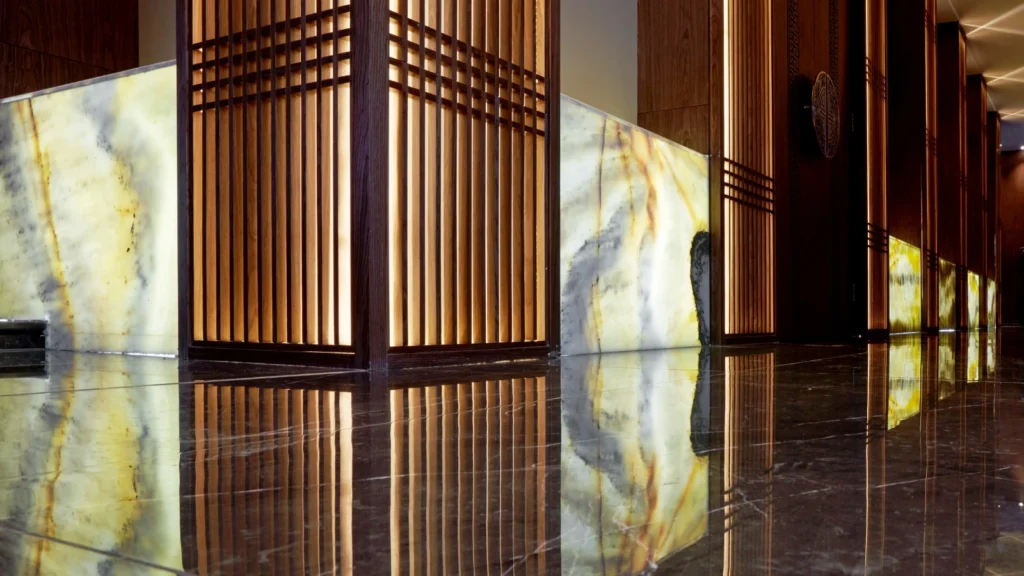
Quick Answer Onyx is the most luxurious natural stone for Dubai interiors because it is translucent, when backlit, it glows from within, creating a focal point that no other material can match. It is prized for feature walls, bar fronts, reception desks and vanities in high-end homes and hotels. Because onyx is soft and delicate, it belongs in low-traffic, decorative areas rather than floors or busy worktops, and it should be sealed and handled with care to stay flawless. When a space needs a true showstopper, designers reach for onyx. Its swirling bands of colour and rare translucency make it the material of choice for luxury statements in Dubai’s most exclusive homes, hotels and restaurants. But onyx is also delicate and demands the right application. Here is everything you need to know, what it is, where it belongs, the colours available and how to care for it, before specifying this remarkable stone. Key Takeaways Translucency is its superpower: backlit onyx glows, turning a wall or bar into living art. Best for feature areas: walls, vanities, bar fronts and reception desks, not floors. It is soft and rare: handle with care and expect a premium price for its exclusivity. Sealing and placement matter: keep it away from heavy traffic, heat and acidic spills. What is onyx and why is it so prized? In interior design, onyx is a banded calcite stone formed from mineral deposits, distinct from the black gemstone of the same name. It is characterised by dramatic, flowing bands of colour, honey, amber, green, white and pink, and, crucially, by its translucency. Light can pass through thin onyx slabs, which is why it is the only common architectural stone that can be lit from behind to glow. That rarity and visual drama are what place it at the very top of the luxury stone hierarchy. Why is backlit onyx such a statement in Dubai interiors? Backlighting is onyx’s signature application. With an LED panel mounted behind a thin, resin-backed slab, the stone’s veins and colour come alive, casting a warm, ambient glow that transforms a surface into a centrepiece. In Dubai, where luxury hospitality and high-end residential design set the pace, backlit onyx appears as illuminated feature walls, glowing bar fronts, reception desks and headboards. It delivers exactly the kind of dramatic, photogenic focal point that defines premium interiors, a theme we explore in our 2026 stone trends guide. Where should you use onyx, and where shouldn’t you? Recommended Best avoided Backlit feature walls Kitchen floors Bar fronts & counters (light use) Busy worktops with heavy use Reception & concierge desks High-traffic hallways Bathroom vanities & feature walls Outdoor or exposed areas Headboards & decorative panels Surfaces exposed to acids / heat Because onyx is softer and more brittle than marble or granite, it performs best as a decorative feature rather than a working surface. For hard-wearing counters, granite remains the better option, see our granite countertops guide. What types and colours of onyx are available? Onyx comes in a remarkable spectrum, each with its own character: Honey / amber onyx: warm golden tones, the classic backlit choice. White onyx: pale and elegant, with subtle banding. Green onyx: rich, jewel-like and dramatic. Pink / rose onyx: soft, romantic colouring for refined spaces. Multicolour onyx: bold, painterly bands for true statement pieces. Because onyx is rare and every slab is unique, selecting the specific slab, and planning how its bands will run across the design, is part of the creative process. How do you care for onyx? Onyx needs gentler care than harder stones. Seal it well, clean only with pH-neutral products, wipe spills immediately because it is sensitive to acids, and avoid abrasive pads that could scratch the surface. Used in the right setting and maintained correctly, an onyx feature will remain a stunning centrepiece for years. Our stone maintenance guide covers sealing and cleaning principles that apply to onyx too. Is onyx worth the investment for a luxury project? For the right application, onyx delivers an impact few materials can rival, and that exclusivity carries real value in premium residential and hospitality settings. A single backlit onyx wall can become the signature of a space and a talking point for guests. The key is using it where it will be admired rather than worked hard. Specified thoughtfully, as a feature, not a floor, onyx rewards the investment with a sense of luxury that is genuinely difficult to achieve any other way. Why choose Marmara Marble & Granite for onyx in Dubai? Onyx is a specialist material that rewards careful sourcing and expert fabrication. Marmara Marble & Granite sources rare onyx from premium quarries and helps designers and homeowners select the perfect slab, plan backlighting and banding, and fabricate and install it to a flawless finish. From a single illuminated feature wall to a complete hospitality scheme, our team brings the UAE’s most luxurious stone to life. Explore the stone collection or learn more about Marmara. About the Author Tejesh Chinthagumpala, Managing Director, Marmara Marble & Granite LLC Tejesh Chinthagumpala is the Managing Director of Marmara Marble & Granite LLC, a UAE-based natural stone supplier and installer. A civil engineer and PMP-certified project manager trained at NICMAR Hyderabad, he previously delivered large-scale projects with Desert Group in Dubai. Since acquiring Marmara in 2022, he has grown the company from seven to 150+ specialists and expanded its operations across the UAE, Oman and Saudi Arabia. Frequently Asked Questions Can onyx really be lit from behind? Yes. Onyx is translucent, so a thin slab mounted over an LED panel glows from within, revealing its colour and veining. This backlit effect is its most sought-after application in luxury interiors. Is onyx suitable for kitchen countertops? Onyx is soft and brittle compared with granite or marble, so it is not ideal for busy kitchen worktops. It is best reserved for low-traffic, decorative surfaces such as feature walls, bar fronts and vanities. Why is onyx so expensive? Onyx is rare, visually dramatic and
Marble and Granite Installation- Step-by-Step Guide

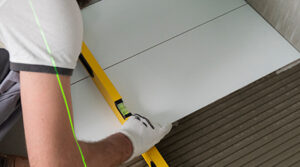
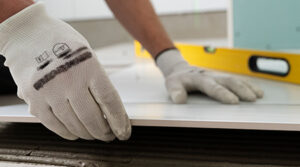
Marble and granite add timeless elegance and durability to any space. However, proper installation is critical because even high-quality stone can fail if installed incorrectly. Key Takeaways Proper surface preparation is critical because it ensures strong adhesion and prevents cracks. Dry layout planning reduces errors, because it helps visualise alignment before fixing. Even adhesive application helps ensure durability by preventing hollow spaces beneath the stone. Sealing is essential for protection, because natural stone is porous and prone to stains. Professional installation ensures long-term quality, because precision impacts both durability and aesthetics. This guide breaks down the complete installation process to help you achieve a flawless, long-lasting finish. Why Proper Installation Matters Marble and granite are natural stones that require precision. Prevents cracks and uneven surfaces Ensures long-term durability Enhances overall aesthetics Because improper installation can lead to costly repairs and reduced lifespan. Tools and Materials Required for Natural Stone Installation Before starting the installation, ensure you have: Essential Tools Measuring tape Leveling tool Rubber mallet Tile cutter or grinder Materials Marble or granite slabs Adhesive or mortar Grout and sealant Because using the right tools ensures accuracy and efficiency. Step-by-Step Installation Process Step 1: Surface Preparation Clean and level the base surface Remove dust, grease, or debris Ensure proper curing of the base Because an uneven surface leads to poor adhesion and cracks. Step 2: Dry Layout Planning Arrange slabs without adhesive Check alignment and pattern Make necessary cuts Because pre-planning avoids mistakes during final installation. Step 3: Applying Adhesive Spread adhesive evenly using a notched trowel Work in small sections Because uneven adhesive can create hollow spots. Step 4: Placing the Stone Carefully place slabs Use a rubber mallet to adjust Maintain consistent spacing Because proper placement ensures alignment and strength. Step 5: Leveling and Alignment Use a leveling tool Adjust height and spacing Because uneven stones affect both appearance and safety. Step 6: Grouting Fill gaps between slabs Remove excess grout Because grouting strengthens the installation and improves finish. Step 7: Sealing the Surface Apply a high-quality sealant Allow proper drying time Sealing protects against stains and moisture. Common Mistakes to Avoid Skipping surface preparation Using low-quality adhesive Ignoring sealing Poor alignment Because these mistakes reduce durability and finish quality. Marble vs Granite Installation Feature Marble Granite Hardness Softer Harder Cutting Easier Requires precision tools Maintenance High Moderate Installation Complexity Medium High Maintenance Tips After Installation Clean with mild solutions Avoid harsh chemicals Reseal periodically Because proper maintenance preserves shine and durability. When to Hire Professionals Consider experts if: Large-scale installation Complex patterns or designs High-value materials Because professional installation ensures precision and reduces risk. Here is the step by step process: Marmara Service Portfolio https://youtu.be/uMvIeUo2DxM?si=ylMbCyRD04tsbyPF Conclusion Marble and granite installation is not just about placing stone it’s about precision, planning, and proper technique.At Marmara Marble and Granite, we don’t just supply stone; we install it right. Every detail is handled with care to ensure strength, flawless finish, and lasting reliability.When done correctly, it enhances durability, aesthetics, and long-term value.Invest in the right process to get the best results. Tejesh Chinthagumpala Managing Director, Marmara Marble & GraniteWith over 10 years of experience in marble and granite processing, Tejesh leads the company with deep industry expertise and a commitment to excellence.📞 Contact us today to explore our exclusive stone collection: Phone: +971 6 5575824 Mobile: +971 55 550 5318 Frequently Asked Questions Q1. How long does marble or granite installation take? A: It typically takes 1–3 days depending on the area and complexity. Q2. Is sealing necessary after installation? A: Yes, sealing protects the stone from stains and moisture damage. Q3. Can marble and granite be installed on any surface? A: No, the surface must be clean, level, and structurally strong. Q4. Which is better, marble or granite? A: Granite is more durable, while marble offers a more elegant appearance. Q5. How often should sealing be done? A: Every 6–12 months depending on usage and exposure. A: It typically takes 1–3 days depending on the area and complexity. A: Yes, sealing protects the stone from stains and moisture damage.A: No, the surface must be clean, level, and structurally strong. A: Granite is more durable, while marble offers a more elegant appearance. A: Every 6–12 months depending on usage and exposure.
How to Identify a Reliable Natural Stone Supplier in Dubai
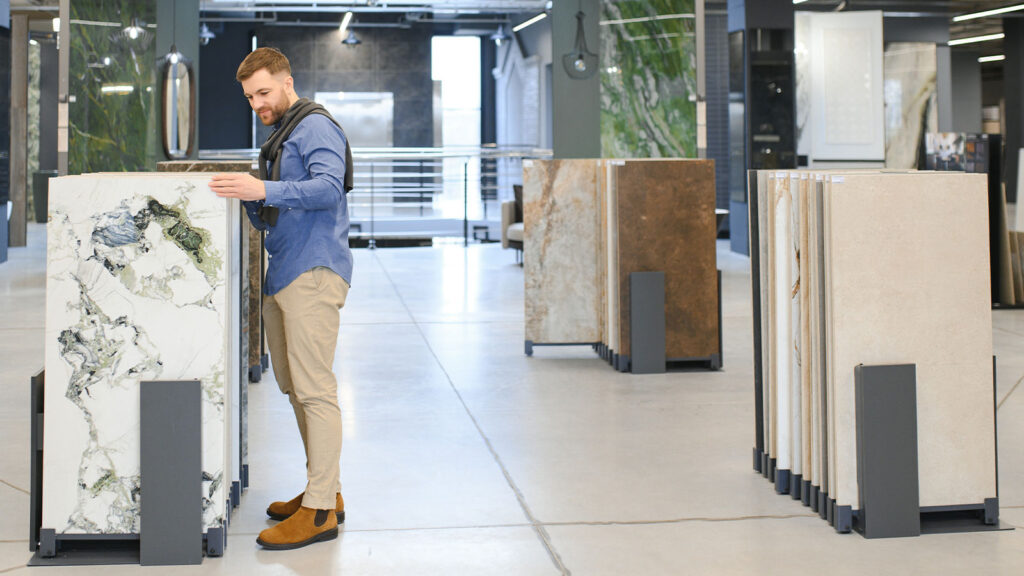
Who is a Natural Stone Supplier? A natural stone supplier is a company that sources, imports, processes, and distributes natural stones such as marble, granite, travertine, limestone, and quartzite for construction and interior design projects. Reliable suppliers ensure quality control because natural stone is extracted from quarries and requires grading, cutting, and finishing before installation. Key Takeaways Choosing a reliable natural stone supplier in Dubai matters because stone quality, sourcing transparency, and installation expertise directly impact durability and project value. Professional suppliers provide certified marble and granite because natural stone quality varies significantly by quarry origin and processing standards. Reliable suppliers offer consistent slabs, proper finishing, and expert guidance because natural stone selection requires technical knowledge and material grading. This guide breaks down marble and granite price trends in Dubai for 2026, including factors affecting costs, price ranges, and tips for buyers. What Does a Natural Stone Supplier in Dubai Provide? A professional natural stone supplier in Dubai typically offers: Expert advice on stone selection, grade, quantity, colours Imported marble, granite and all other natural stones Stone cutting, installation guidance custom stone fabrication Polishing services These services matter because natural stone projects require precise slab selection, accurate cutting, and professional installation to avoid material waste. Why is Choosing the Right Supplier Important? Selecting the right supplier is critical because natural stone varies significantly in durability, porosity, and finish depending on quarry origin and processing methods. According to research from the Natural Stone Institute, proper stone selection and fabrication significantly increase the lifespan of marble and granite installations. Data Points and Industry Research Several industry studies highlight the importance of supplier reliability in natural stone projects. According to the Natural Stone Institute, proper stone processing and finishing can increase stone durability by up to 30–40% compared to poorly processed slabs. Research cited by the Marble Institute of America shows that incorrect stone grading and cutting can increase material waste by 20–25% during installation. Reports from the International Trade Centre indicate that the UAE is one of the largest import hubs for natural stone in the Middle East because of rapid construction and luxury real estate development. These data points matter because high-quality sourcing and processing determine how well natural stone performs in construction projects. Key Factors to Identify a Reliable Natural Stone Supplier in Dubai 1. Wide Selection of Natural Stone Reliable suppliers offer a large inventory including: Italian marble Spanish marble Brazilian granite Travertine and limestone Variety matters because different stones are suited for different applications such as flooring, countertops, or exterior cladding. 2. Verified Quarry Sources Professional suppliers provide transparent sourcing information because stone quality depends heavily on the geological characteristics of the quarry. High-end marble suppliers often import stones from regions such as: Italy Turkey Spain Brazil According to the Geological Society of London, mineral composition and geological formation influence the hardness and durability of natural stone. 3. Slab Quality and Consistency Reliable suppliers maintain consistent slab quality because variations in veining, thickness, and density can affect installation results. When evaluating stone slabs, check for: Uniform thickness Minimal cracks or fissures Consistent colour patterns 4. Professional Stone Processing Stone processing involves cutting, polishing, and finishing. Professional fabrication matters because poor processing weakens the structural integrity of stone slabs. Advanced suppliers use: CNC cutting machines Bridge saw technology Automated polishing systems 5. Expert Consultation and Project Support Experienced suppliers provide design and material advice because selecting the wrong stone type can cause staining, cracking, or maintenance issues. For example: Marble works best for interior flooring and walls Granite performs better for kitchen countertops because it is more resistant to scratches and heat. Comparison: Reliable vs Unreliable Natural Stone Supplier in Dubai Factor Reliable Supplier Unreliable Supplier Why It Matters Stone Sourcing Transparent quarry origin Unknown sources Ensures authenticity Slab Quality Uniform thickness and finish Inconsistent slabs Prevents installation issues Processing Technology Modern cutting and polishing Basic processing Improves durability Customer Support Expert guidance Limited knowledge Helps choose the right stone Tables improve readability because structured information helps buyers compare supplier capabilities more easily. Signs of a Professional Natural Stone Supplier in Dubai Homeowners and contractors should look for the following indicators: ✔ Large Stone Warehouse A large inventory ensures better slab selection because natural stone patterns vary significantly from slab to slab. ✔ Established Industry Experience Experienced suppliers understand stone performance because they have handled multiple residential and commercial projects. ✔ Installation Guidance Professional suppliers provide installation support because improper installation can lead to cracking, staining, or uneven surfaces. ✔ Transparent Pricing Clear quotations matter because hidden costs often arise during stone fabrication and installation stages. Common Mistakes Buyers Make Choosing Based Only on Price Cheaper stone may be lower grade because it contains more natural fissures or structural weaknesses. Not Inspecting the Slabs Personally Stone patterns differ from photos because each slab is unique in veining and colour. Ignoring Stone Maintenance Requirements Some stones require sealing because porous materials like marble absorb moisture and stains. Conclusion Selecting the right natural stone supplier is a critical decision for construction and interior design projects. The most reliable natural stone suppliers in Dubai combine verified quarry sourcing, consistent slab quality, modern processing technology, and expert consultation because natural stone performance depends heavily on material quality and proper fabrication. Tejesh Chinthagumpala Managing Director, Marmara Marble & GraniteWith over 10 years of experience in marble and granite processing, Tejesh leads the company with deep industry expertise and a commitment to excellence.📞 Contact us today to explore our exclusive stone collection: Phone: +971 6 5575824 Mobile: +971 55 550 5318 Frequently Asked Questions Q1. What is the best natural stone for flooring in Dubai? A: Marble and granite are commonly used because they offer durability and aesthetic appeal for residential and commercial spaces. Q2. How do I check the quality of marble slabs? A: Inspect slab thickness, veining consistency, and surface polish, and check for visible cracks or fissures. Q3. Is imported marble better than local stone? A: Imported marble often has unique
Why Dubai’s Top Developers Prefer Imported Marble

Dubai’s luxury real estate market operates on international standards. Developers are not only building homes; they are building international assets designed to attract investors from Europe, Asia, Russia, and North America. Key Takeaways Dubai developers prefer imported marble because it delivers consistent quality, prestige positioning, and long-term asset value. European marble is selected because global certification, durability testing, and quarry traceability reduce project risk. Imported marble supports premium pricing approaches because luxury buyers associate it with heritage, exclusivity, and global standards. Imported marble plays a strategic role in this positioning. It signals quality, longevity, and brand differentiation. Because buyers in Dubai compare properties across global cities, materials must meet international expectations What Is an Imported Marble? Imported marble refers to natural stone quarried outside the UAE and brought into the country for architectural and interior use. Common origins include Italy, Greece, Spain, and Turkey. What Makes Imported Marble Different from Local Stone? Imported marble is often selected because of its distinct veining patterns, controlled quarrying standards, and internationally recognised grading systems. Why Does Marble Choice Matter in Luxury Developments? Marble impacts property valuation because finish quality influences buyer perception, resale potential, and long-term durability. Global Marble Sources Preferred in Dubai Italy Italy is synonymous with luxury marble. Varieties like Carrara, Calacatta, and Statuario are widely used in premium villas and branded residences. Because Italian marble has centuries of architectural heritage, it carries prestige value. Greece Greek marble, especially Volakas, is known for subtle veining and uniform whiteness. Developers prefer it because it offers a balance between elegance and cost efficiency. Turkey Turkey supplies high volumes of marble globally. Turkish marble is popular in Dubai for contemporary designs because of its linear veining pattern. Data Points and Research Evidence According to the World Health Organization, city areas influence health outcomes through material quality and indoor environmental standards. High-quality natural materials are associated with better indoor air quality than man-made alternatives. Research from Harvard T. H. Chan School of Public Health shows that durable materials reduce lifecycle environmental costs because they require fewer replacements. The global natural stone market was valued at over USD 50 billion in recent sector reports, with the Middle East identified as one of the fastest-growing luxury construction regions. Because premium marble can increase perceived property value by 5 to 15 per cent in high-end markets, developers treat it as a strategic investment rather than a decorative upgrade. Studies in construction lifecycle analysis show that natural stone can last over 50 years with proper maintenance, markedly outperforming engineered alternatives in durability benchmarks. Comparison Table Marble Source Why Developers Prefer It Key Benefit Italy Heritage reputation and premium grading systems Enhances luxury positioning Greece Subtle aesthetics and consistent slabs Cost-efficient elegance Turkey Large-scale supply and modern textures Design flexibility Local Alternatives Lower transport cost Budget projects only Why Imported Marble Aligns with Dubai’s Strategy Dubai competes with cities like London and Monaco for ultra-high-net-worth investors. Because global buyers recognise European marble brands, developers use them to reinforce trust. Branded residences and hospitality-led developments often specify imported stone in marketing materials. This is done because material transparency strengthens buyer confidence. Cause and Effect: Why It Works Imported marble matters because luxury buyers associate origin with authenticity. It increases resale value because premium finishes influence appraisal benchmarks. It reduces long-term maintenance risk because higher-grade marble undergoes stricter quarry inspection standards. Conclusion Dubai’s top developers choose imported marble not for aesthetics alone, but for strategic positioning. Because luxury real estate depends on global credibility, material selection becomes part of brand storytelling. The most effective material strategy for premium developments in Dubai is not cost reduction. It is the deliberate use of internationally sourced marble that enhances brand value, buyer confidence, and long-term asset durability. Marmara Marble & Granite, with its deep sourcing expertise and understanding of Dubai’s luxury standards, helps developers and homeowners select internationally sourced marble that elevates design, protects long-term value, and meets global expectations. Tejesh Chinthagumpala Managing Director, Marmara Marble & GraniteWith over 10 years of experience in marble and granite processing, Tejesh leads the company with deep industry expertise and a commitment to excellence.📞 Contact us today to explore our exclusive stone collection: Phone: +971 6 5575824 Mobile: +971 55 550 5318 Frequently Asked Questions Q1. Why do Dubai developers rarely use only local stone? A: Because international buyers expect globally recognised materials in luxury properties. Q2. Is imported marble more expensive? A: Yes, transport and sourcing increase cost, but it improves perceived property value and resale potential. Q3. Does imported marble last longer? A: High-grade marble from established quarries often demonstrates superior density and longevity because of controlled extraction processes. Q4. Is imported marble environmentally sustainable? A: It can be sustainable when sourced from certified quarries and used in long lifecycle projects because durability reduces replacement frequency. A: Because international buyers expect globally recognised materials in luxury properties. A: Yes, transport and sourcing increase cost, but it improves perceived property value and resale potential. A: High-grade marble from established quarries often demonstrates superior density and longevity because of controlled extraction processes. A: It can be sustainable when sourced from certified quarries and used in long lifecycle projects because durability reduces replacement frequency.
Environmental Benefits of Choosing Natural Stone in Dubai
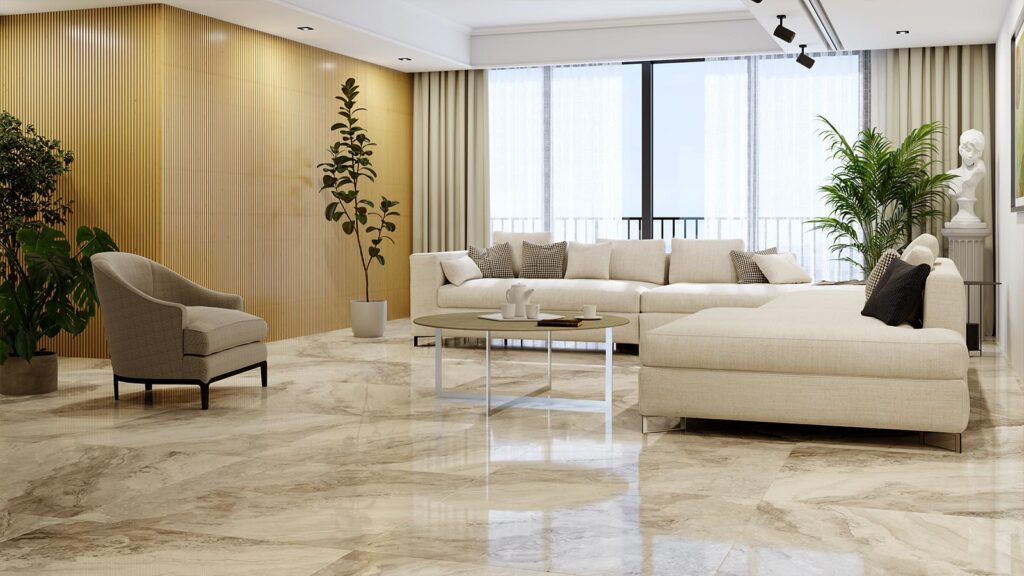
In a city known for architectural ambition and rapid development, material selection plays a critical role in sustainability. Dubai’s climate, construction scale, and design standards demand materials that are durable, energy-efficient, and environmentally responsible. Key Takeaways Perfect for Dubai’s heat: Helps keep interiors cooler and reduces energy use. Eco-friendly choice: Lower embodied energy and zero VOC emissions. Long-lasting material: Durable, low maintenance, and reduces waste. Sustainability aligned: Recyclable and supports Dubai’s green building goals. Natural stone including Marble, Granite, Limestone, and Travertine etc. are increasingly being recognised as one of the most sustainable building materials for projects in Dubai.This article explores why natural stone is an environmentally smart choice specifically for Dubai’s climate and construction landscape. 1. Ideal for Dubai’s Hot Climate Dubai experiences extreme heat for most of the year. Natural stone offers strong thermal mass properties, meaning it absorbs heat slowly and releases it gradually. This helps: Stabilise indoor temperatures Reduce dependency on air conditioning Improve energy efficiency in villas and commercial spaces In high-temperature regions like Dubai, stone flooring and wall cladding contribute to passive cooling strategies lowering long-term energy consumption. 2. Long Lifespan Reduces Construction Waste Dubai’s construction industry is massive, and material waste is a growing environmental concern. Natural stone stands out because it: Lasts decades (often generations) Can be refinished instead of replaced Maintains structural and visual integrity over time Unlike synthetic surfaces that may require replacement every 10–15 years, stone minimizes landfill waste and reduces lifecycle carbon footprint. 3. Low Embodied Energy Compared to Manufactured Materials Engineered surfaces require: Industrial processing Chemical resins High-temperature manufacturing Natural stone, by contrast, is quarried and cut with minimal transformation. This results in lower embodied energy, especially when sourced regionally. Choosing locally or regionally supplied natural stones in the UAE significantly reduces transportation-related emissions. 4. No Harmful VOC Emissions Indoor air quality is especially important in Dubai, where homes and offices remain air-conditioned for most of the year. Natural stone: Emits no volatile organic compounds (VOCs) Contains no synthetic binders Supports healthier indoor environments This makes it ideal for residential projects, hospitality spaces, healthcare facilities, and high-end commercial developments. 5. Supports Sustainable Luxury Design Dubai is known for luxury interiors. Natural stone allows developers and homeowners to achieve premium aesthetics while maintaining environmental responsibility. Natural stones like: Marble is ideal for elegant interiors Granite is best for durable countertops Travertine is suitable for outdoor areas Limestone is perfect for façades Combine longevity with sustainable value. 6. Recyclable and Reusable in Future Projects As Dubai moves toward sustainable urban development goals, circular construction practices are becoming more important. Natural stone can be: Reclaimed from demolition projects Recut and reused Crushed for aggregate Repurposed in landscaping Unlike composite materials, stone rarely becomes permanent waste. 7. Compatible with Green Building Standards Dubai promotes sustainable construction through initiatives such as: Dubai Municipality Green Building Regulations Dubai Electricity and Water Authority sustainability programs Natural stone aligns well with green building rating systems due to: Durability Low emissions Energy efficiency contribution Reduced maintenance requirements At Marmara Marble and Granite, we design homes built to last. Natural stone elevates every space with elegance, strength, and lasting value for Dubai homeowners. Tejesh Chinthagumpala Managing Director, Marmara Marble & GraniteWith over 10 years of experience in marble and granite processing, Tejesh leads the company with deep industry expertise and a commitment to excellence.📞 Contact us today to explore our exclusive stone collection: Phone: +971 6 5575824 Mobile: +971 55 550 5318 Frequently Asked Questions Q1. Is natural stone suitable for Dubai’s extreme heat? A: Yes. Natural stone’s thermal mass makes it highly suitable for hot climates like Dubai, helping regulate indoor temperatures. Q2. Does natural stone reduce electricity usage? A: It can contribute to reduced cooling loads by maintaining stable indoor temperatures, especially in villas and low-rise buildings. Q3. Is natural stone environmentally better than engineered quartz? A: Generally, yes. Natural stone requires less chemical processing and contains no synthetic resins. Q4. Can natural stone be used outdoors in Dubai? A: Absolutely. Materials like granite, limestone, and travertine are commonly used for outdoor cladding, landscaping, and pool areas. Q5. Does natural stone require heavy maintenance? A: No. With proper sealing and routine cleaning using pH-neutral solutions, maintenance is minimal. Q6. Is locally sourced stone more sustainable? A: Yes. Sourcing regionally reduces transportation emissions and supports sustainable procurement practices. A: Yes. Natural stone’s thermal mass makes it highly suitable for hot climates like Dubai, helping regulate indoor temperatures. A: It can contribute to reduced cooling loads by maintaining stable indoor temperatures, especially in villas and low-rise buildings. A: Generally, yes. Natural stone requires less chemical processing and contains no synthetic resins. A: Absolutely. Materials like granite, limestone, and travertine are commonly used for outdoor cladding, landscaping, and pool areas. A: No. With proper sealing and routine cleaning using pH-neutral solutions, maintenance is minimal.A: Yes. Sourcing regionally reduces transportation emissions and supports sustainable procurement practices.