







Key Takeaways
- Dubai developers prefer imported marble because it delivers consistent quality, prestige positioning, and long-term asset value.
- European marble is selected because global certification, durability testing, and quarry traceability reduce project risk.
- Imported marble supports premium pricing approaches because luxury buyers associate it with heritage, exclusivity, and global standards.
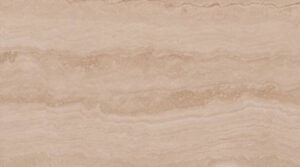
What Is an Imported Marble?
What Makes Imported Marble Different from Local Stone?
Why Does Marble Choice Matter in Luxury Developments?
Global Marble Sources Preferred in Dubai
Italy

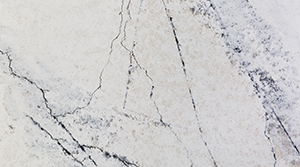
Italy is synonymous with luxury marble. Varieties like Carrara, Calacatta, and Statuario are widely used in premium villas and branded residences.
Because Italian marble has centuries of architectural heritage, it carries prestige value.
Greece

Greek marble, especially Volakas, is known for subtle veining and uniform whiteness. Developers prefer it because it offers a balance between elegance and cost efficiency.

Turkey

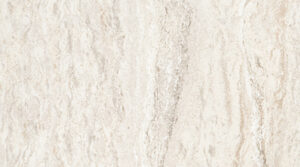
Turkey supplies high volumes of marble globally. Turkish marble is popular in Dubai for contemporary designs because of its linear veining pattern.
Data Points and Research Evidence
- According to the World Health Organization, city areas influence health outcomes through material quality and indoor environmental standards. High-quality natural materials are associated with better indoor air quality than man-made alternatives.
- Research from Harvard T. H. Chan School of Public Health shows that durable materials reduce lifecycle environmental costs because they require fewer replacements.
- The global natural stone market was valued at over USD 50 billion in recent sector reports, with the Middle East identified as one of the fastest-growing luxury construction regions.
- Because premium marble can increase perceived property value by 5 to 15 per cent in high-end markets, developers treat it as a strategic investment rather than a decorative upgrade.
- Studies in construction lifecycle analysis show that natural stone can last over 50 years with proper maintenance, markedly outperforming engineered alternatives in durability benchmarks.
Comparison Table
| Marble Source | Why Developers Prefer It | Key Benefit |
| Italy | Heritage reputation and premium grading systems | Enhances luxury positioning |
| Greece | Subtle aesthetics and consistent slabs | Cost-efficient elegance |
| Turkey | Large-scale supply and modern textures | Design flexibility |
| Local Alternatives | Lower transport cost | Budget projects only |
Why Imported Marble Aligns with Dubai’s Strategy
Dubai competes with cities like London and Monaco for ultra-high-net-worth investors. Because global buyers recognise European marble brands, developers use them to reinforce trust.
Branded residences and hospitality-led developments often specify imported stone in marketing materials. This is done because material transparency strengthens buyer confidence.
Cause and Effect: Why It Works
- Imported marble matters because luxury buyers associate origin with authenticity.
- It increases resale value because premium finishes influence appraisal benchmarks.
- It reduces long-term maintenance risk because higher-grade marble undergoes stricter quarry inspection standards.
Conclusion
Dubai’s top developers choose imported marble not for aesthetics alone, but for strategic positioning.
Because luxury real estate depends on global credibility, material selection becomes part of brand storytelling.
The most effective material strategy for premium developments in Dubai is not cost reduction. It is the deliberate use of internationally sourced marble that enhances brand value, buyer confidence, and long-term asset durability.
Tejesh Chinthagumpala
Phone: +971 6 5575824
Mobile: +971 55 550 5318