




Natural Stone Maintenance: How to Care for Marble and Granite in the UAE
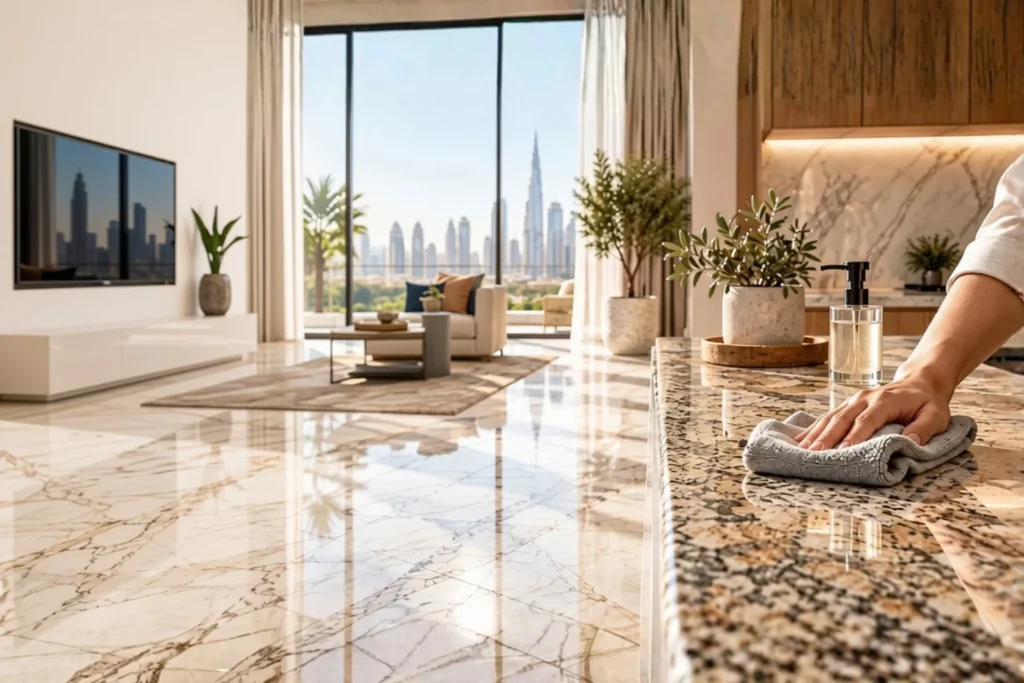
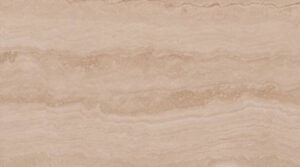
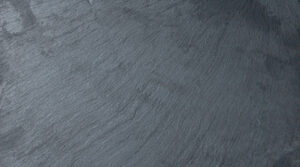
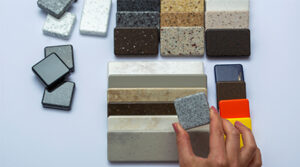
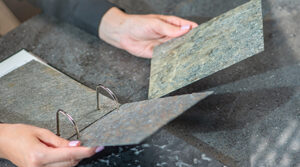
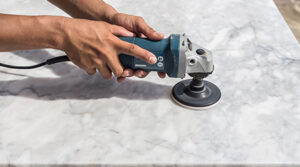
Quick Answer Keeping marble and granite looking new in the UAE comes down to four habits: dust and sweep regularly to remove abrasive sand, clean only with a pH-neutral stone cleaner (never vinegar, lemon or bleach), wipe spills immediately, and reseal periodically, marble roughly every 6-12 months and granite every 1-2 years. Heat, humidity and fine sand are the main local challenges, and correct sealing combined with gentle cleaning handles all three. Natural stone is built to last, but the UAE puts it to the test, relentless sun, seasonal humidity, hard water and ever-present fine sand. The good news is that caring for marble and granite is straightforward once you know the rules. Follow the guidance below on cleaning, sealing and stain removal, and your floors and surfaces will stay beautiful for decades with very little effort. Key Takeaways Sand is the enemy of shine, sweep often to stop fine grit scratching the surface. Go pH-neutral, acidic and harsh cleaners etch and dull natural stone. Sealing is your shield, it is the single most important step for stain resistance. Act fast on spills, prompt clean-up prevents most permanent staining. How does the UAE climate affect natural stone? Three local factors matter most. Fine, wind-blown sand acts like a mild abrasive underfoot and can scratch polished surfaces if it is not removed regularly. Seasonal humidity can encourage moisture-related staining on unsealed stone. And hard water can leave mineral deposits on surfaces around sinks and bathrooms. None of these is a problem for well-maintained, properly sealed stone, but each is a reason to stay on top of a simple care routine rather than leaving it to chance. How should you clean marble and granite day to day? Daily care is simple and quick: Dust-mop or sweep floors regularly to lift abrasive sand and grit. Wipe surfaces with a soft cloth and warm water, or a pH-neutral stone cleaner. Dry surfaces around sinks to prevent hard-water marks. Blot spills immediately rather than wiping, which can spread them. What should you never use on natural stone? Some common household products do real damage. Use the column on the left and avoid the one on the right: Do use Don’t use pH-neutral stone cleaner Vinegar, lemon or citrus cleaners Warm water and a soft cloth Bleach or ammonia Microfibre or soft mop Abrasive scouring pads Stone-safe sealer Generic all-purpose sprays Acidic products are especially harmful to marble, which is calcium-carbonate based and etches on contact with acids. How often should you seal marble and granite? Sealing fills the stone’s microscopic pores so liquids cannot soak in. As a general guide, reseal marble every 6-12 months and granite every 1-2 years, adjusting for how heavily the surface is used. The easiest test is the water-drop test: place a few drops of water on the surface; if they bead up, the seal is fine; if they soak in and darken the stone, it is time to reseal. Sealing is quick and dramatically improves stain resistance, which is why we recommend it for every floor and worktop. How do you deal with stains and etch marks? Organic stains (coffee, tea, wine): clean with a pH-neutral cleaner; stubborn marks may need a stone-safe poultice. Oil-based stains (grease, cosmetics): blot, then use a poultice designed to draw out oil. Etch marks on marble (dull spots from acids): these are surface damage, not stains, and usually need professional polishing to restore. Hard-water marks: a stone-safe cleaner and regular drying around taps keep them at bay. For badly worn or etched floors, professional restoration can bring stone back to life. Correct installation also reduces long-term problems, see our installation guide. Do marble and granite need different care? The principles are the same, but the emphasis differs. Marble is softer and more reactive to acids, so it needs more frequent sealing and stricter avoidance of acidic cleaners. Granite is harder and less porous, so it is more forgiving day to day, though it still benefits from periodic sealing. Understanding these differences is easier with our marble vs granite comparison and our granite countertops guide. Why choose Marmara Marble & Granite for stone care advice in the UAE? Because we supply, fabricate and install the stone, Marmara Marble & Granite can advise on exactly how to care for it. From recommending the right sealer to guiding cleaning routines and arranging professional restoration, our team supports clients long after installation. If you are unsure how to maintain a specific stone or finish, we are happy to help. Get in touch via the products page or learn more about Marmara. About the Author Tejesh Chinthagumpala, Managing Director, Marmara Marble & Granite LLC Tejesh Chinthagumpala is the Managing Director of Marmara Marble & Granite LLC, a UAE-based natural stone supplier and installer. A civil engineer and PMP-certified project manager trained at NICMAR Hyderabad, he previously delivered large-scale projects with Desert Group in Dubai. Since acquiring Marmara in 2022, he has grown the company from seven to 150+ specialists and expanded its operations across the UAE, Oman and Saudi Arabia. Frequently Asked Questions How do I clean marble floors in Dubai? Sweep regularly to remove sand, then clean with warm water or a pH-neutral stone cleaner and a soft mop. Avoid vinegar, lemon and other acidic products, which etch and dull marble. How often should I seal my stone in the UAE? As a guide, reseal marble every 6-12 months and granite every 1-2 years. Use the water-drop test, if water soaks in rather than beading, it is time to reseal. Can I use vinegar to clean marble or granite? No. Vinegar and other acidic cleaners damage natural stone, especially marble, by etching the surface. Always use a pH-neutral, stone-safe cleaner instead. How do I remove a stain from marble? For organic or oil-based stains, a stone-safe poultice can draw out the discolouration. Dull etch marks from acids are surface damage and usually require professional polishing to repair. Does the UAE’s sand really damage stone floors? Fine
Marble vs Granite: Which Stone Is Best for Your Dubai Home?

Choosing between marble and granite is one of the first decisions homeowners face when planning a renovation or a new build in Dubai, and it is easy to get stuck. Both are beautiful, both are natural, and both add genuine value to a property. Yet they behave very differently underfoot, around heat and over years of daily use. This guide breaks down how the two stones differ in geology, durability, looks, cost and upkeep, then maps each one to the rooms where it performs best, so you can match the right stone to the right space with confidence. Key Takeaways Granite is the workhorse. Harder, heat-resistant and low-maintenance, best for kitchens and busy floors. Marble is the showpiece. Softer and more porous, but unmatched for veining and a luxurious feel in lower-traffic, decorative areas. The UAE climate matters. Both stay cool underfoot, but sealing and finish choice are what protect them against heat, humidity and fine sand. Use-case beats rules. Many Dubai homes use both, granite where it works hard, marble where it makes a statement. What is the difference between marble and granite? The simplest way to understand the two stones is to look at how they form. Granite is an igneous rock, created as molten magma cools slowly deep underground. That process locks together hard minerals, mainly quartz and feldspar, giving granite its speckled appearance and considerable strength. Marble is a metamorphic rock: limestone recrystallised under heat and pressure into the soft, flowing veins prized in luxury interiors. That difference in geology explains everything that follows. Granite’s interlocking crystals make it dense and scratch-resistant. Marble’s calcium-carbonate make-up makes it softer and reactive to acids, which is why a splash of lemon or vinegar can leave a dull etch mark on a polished marble worktop. Neither is fragile, both have been used in landmark architecture for centuries, but they reward different handling. Which stone is more durable in Dubai’s climate? For everyday durability, granite wins. It sits around 6 to 7 on the Mohs hardness scale, resists scratches from knives and cookware, and shrugs off hot pans straight from the hob. Marble is softer, roughly 3 to 4 on the same scale, so it scratches and etches more easily and needs gentler handling. Dubai’s specific challenges, intense summer heat, seasonal humidity and ever-present fine sand, affect both stones less than you might expect, because natural stone is inherently heat-tolerant and stays pleasantly cool underfoot. The real protector is correct sealing and maintenance: a well-sealed marble floor in a villa entrance can last for decades, while an unsealed one will stain and dull far sooner. How do marble and granite compare side by side? Feature Marble Granite Rock type Metamorphic (recrystallised limestone) Igneous (cooled magma) Hardness (Mohs) ~3-4 (softer) ~6-7 (harder) Heat resistance Good, but can scorch / etch Excellent Scratch resistance Lower High Staining / porosity More porous, seal regularly Less porous, seal occasionally Look Soft, elegant veining Speckled, bold, varied Best uses Feature floors, bathrooms, walls, vanities Kitchens, busy floors, outdoor counters Maintenance Higher Lower Where should you use marble vs granite in your home? The cleanest way to decide is room by room: Kitchen countertops: Granite, for heat and scratch resistance. If you love the marble look, reserve it for an island that sees lighter use and seal it well. Living rooms and hallways: Either works. Marble delivers a grand, hotel-like floor; granite is the practical, low-fuss option for high-traffic zones. Bathrooms and vanities: Marble shines here, softer light, spa-like calm and beautiful veining, with sealing to handle moisture. Feature and accent walls: Marble (and bookmatched slabs) for drama; granite for a hard-wearing, textured statement. Outdoor counters and BBQ areas: Granite, every time, for its resilience in heat and sun. For more room-specific guidance on marble selection, see our guide on how to choose the perfect marble for your Dubai home. Which stone offers better value for money? Neither is simply cheaper, price depends on origin, rarity, slab size, thickness and finish. Premium Italian marbles such as Statuario or Calacatta sit at the very top of the range, while many granites offer outstanding durability at a more accessible price point. Because granite needs less ongoing care, its lifetime cost can be lower even when the upfront figure is similar. It is also worth thinking about resale. Natural stone of either kind signals quality to buyers and tenants in Dubai’s property market, and a well-chosen marble or granite floor can lift the perceived value of a home well beyond its installed cost. For current, itemised figures, see our marble and granite price guide for Dubai. Why choose Marmara Marble & Granite for your stone in Dubai? Marmara Marble & Granite has supplied and installed natural stone across the UAE since 2017, with warehouses in Sharjah and Dubai and a range sourced from leading quarries in Italy, Spain, India, Brazil, Turkey, Egypt, Greece and beyond. Whether you need durable granite for a working kitchen or a flawless marble floor for an entrance hall, our team helps you match the right material, finish and slab to your space, then fabricates and installs it to a precise, lasting finish. Because we manage sourcing, fabrication and fitting in-house, we can advise on the practical trade-offs covered above and show you the actual slabs before you commit. Explore the full natural stone collection or learn more about Marmara. Tejesh Chinthagumpala, Managing Director, Marmara Marble & Granite LLC Tejesh Chinthagumpala is the Managing Director of Marmara Marble & Granite LLC, a UAE-based natural stone supplier and installer. A civil engineer and PMP-certified project manager trained at NICMAR Hyderabad, he previously delivered large-scale projects with Desert Group in Dubai. Since acquiring Marmara in 2022, he has grown the company from seven to 150+ specialists and expanded its operations across the UAE, Oman and Saudi Arabia. Frequently Asked Questions Q1. Is granite better than marble for kitchens in Dubai? A: Generally, yes. Granite is harder and more heat-resistant, so it handles hot pans, knives and
Marble and Granite Price Guide for Dubai in 2026
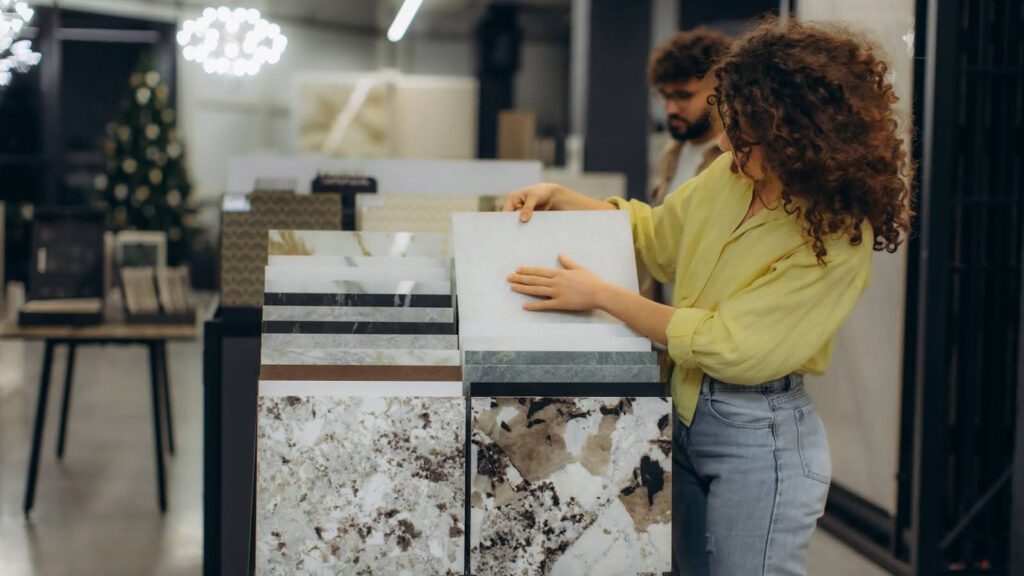
Dubai’s construction and interior design market continues to grow in 2026, with strong demand for natural stone across residential villas, apartments, retail outlets, and commercial towers. Whether you’re renovating a home in Dubai or sourcing materials for a project in Abu Dhabi or Sharjah, understanding current marble and granite prices is essential for budgeting accurately. Key Takeaways Marble and granite prices in Dubai vary mainly by origin, grade, and finish quality. Strong construction demand in 2026 is keeping natural stone prices stable to slightly higher. Installation, cutting, and transport can add 20–40% beyond material cost. Long-term durability and resale value matter more than just price per square foot. This guide breaks down marble and granite price trends in Dubai for 2026, including factors affecting costs, price ranges, and tips for buyers. Why Marble and Granite Remain Popular in Dubai Natural stone continues to dominate UAE interiors because of: Heat resistance and durability Luxury appearance Long lifespan Increased property value Suitability for UAE climate Marble is preferred for elegant interiors and feature areas, while granite is known for its strength and resistance especially for kitchens and commercial spaces. Marble Price Guide in Dubai – 2026 Marble pricing in Dubai varies based on origin, quality, thickness, and finish. 1. Standard Marble (Indian / Local Varieties) Estimated Price: AED 60 – AED 120 per sqm Best suited for: Apartments Budget villas Wall cladding 2. Mid-Range Marble (Turkish / Greek Varieties) Estimated Price: AED 120 – AED 250 per sqm Popular for: Living room flooring Bathroom walls Staircases 3. Premium Marble (Italian Varieties) High-end options such as: Carrara Marble Calacatta Marble Statuario Marble Estimated Price: AED 350 – AED 900+ per sqm Popular for: Luxury villas Hotel lobbies Feature walls Kitchen countertops Granite Price Guide in Dubai – 2026 Granite is generally more affordable than premium marble and highly durable. 1. Standard Granite Estimated Price: AED 70 – AED 150 per sqm Common for: Kitchen countertops Outdoor areas Staircases 2. Premium Imported Granite Includes Brazilian and exotic varieties. Estimated Price: AED 200 – AED 500 per sqm Ideal for: Luxury kitchens Commercial projects High-traffic flooring What Affects Marble and Granite Prices in Dubai? Several factors influence pricing in 2026: ✔ Origin of Stone Italian and exotic stones cost more due to import and brand value. ✔ Thickness 20mm slabs cost less than 30mm slabs. ✔ Finish Polished, honed, brushed, or leather finishes affect final cost. ✔ Installation & Fabrication Cutting, edging, polishing, transport, and labor charges are additional. ✔ Market Demand in 2026 Dubai’s ongoing real estate developments continue to drive demand, influencing price fluctuations. What are the Marble & Granite Installation Costs Installation Costs in Dubai (2026 Estimate) Service Estimated Cost Marble installation AED 35 – AED 80 per sqm Granite installation AED 40 – AED 90 per sqm Countertop fabrication AED 120 – AED 250 per linear meter Note: Prices vary depending on project size and complexity. Marble vs Granite – Cost Comparison Feature Marble Granite Cost Range Medium to High Moderate Maintenance Requires sealing Low maintenance Best For Luxury interiors Kitchens & durability Heat Resistance Moderate Excellent Buying Tips for Dubai Buyers in 2026 Always inspect slabs physically before purchase Confirm thickness and grade Ask about sealing requirements Compare installation quotes Choose trusted Dubai marble suppliers If you’re purchasing for a villa or commercial project in Dubai, bulk buying often reduces per-square-meter cost. Final Thoughts In 2026, marble and granite remain premium yet practical investments for Dubai properties. While marble offers unmatched elegance, granite delivers durability and long-term performance.The right choice depends on your design vision, budget, and usage requirements. Consulting a reliable Dubai stone supplier ensures you receive authentic materials, proper installation, and long-term value. Tejesh Chinthagumpala Managing Director, Marmara Marble & GraniteWith over 10 years of experience in marble and granite processing, Tejesh leads the company with deep industry expertise and a commitment to excellence.📞 Contact us today to explore our exclusive stone collection: Phone: +971 6 5575824 Mobile: +971 55 550 5318 Frequently Asked Questions Q1. What is the marble price in Dubai in 2026? A: Marble prices in Dubai in 2026 typically range from AED 60 to AED 900+ per square meter, depending on the type, origin, thickness, and finish. Italian marble varieties are generally more expensive than Indian or Turkish options. Q2. What is the average granite price in Dubai? A: Granite prices in Dubai usually range between AED 70 and AED 500 per square meter. Standard granite is more affordable, while exotic imported granite costs significantly more. Q3. Is marble more expensive than granite in UAE? A: Yes, premium marble is generally more expensive than granite. However, standard marble and granite options may fall within similar price ranges. Italian marble varieties tend to be the highest priced in the UAE market. Q4. What factors affect marble and granite prices in Dubai? A: Prices are influenced by: Country of origin Slab thickness (20mm vs 30mm) Surface finish (polished, honed, brushed) Installation and fabrication costs Project size and quantity Q5. How much does marble installation cost in Dubai? A: Marble installation costs in Dubai range from AED 35 to AED 80 per square meter, depending on design complexity and labor requirements. Q6. How much does granite countertop fabrication cost in Dubai? A: Granite countertop fabrication typically costs AED 120 to AED 250 per linear meter, depending on edge finishing and cut-outs for sinks or appliances. Q7. ️Which is better for kitchens in Dubai marble or granite? A: Granite is generally better for kitchens due to its higher heat resistance and durability. Marble is ideal for luxury aesthetics but requires more maintenance and sealing. Q8. Where can I buy marble and granite in Dubai? A: You can purchase marble and granite from specialized natural stone suppliers and showrooms across Dubai. Always inspect slabs physically and confirm thickness, finish, and sealing requirements before purchasing. A: Marble prices in Dubai in 2026 typically range from AED 60 to AED 900+ per square meter, depending on the type, origin, thickness,