






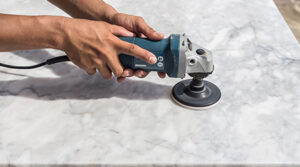
The Ultimate Guide to Marble Flooring for Villas in Dubai

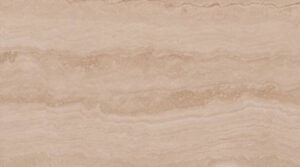
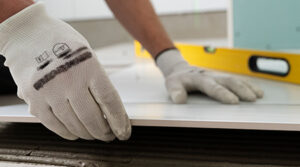
Marble flooring is one of the defining features of a luxury Dubai villa, cool underfoot, timeless in appearance, and a genuine boost to property value. But a villa floor is a major investment that has to look right and last for decades, so the decisions you make at the planning stage matter. This complete guide walks through everything from choosing the stone to layout, finishes, cost and care, so you can brief your supplier with confidence and avoid the common pitfalls. Key Takeaways Stone choice follows traffic. Durable light marbles work best for large living areas; softer, decorative marbles suit bedrooms and bathrooms. Big slabs, fewer joints. Large-format slabs create a seamless, high-end look and are a hallmark of luxury villa floors. Finish is a safety decision. Honed floors are safer and lower-glare; polished reads more opulent. Sealing is non-negotiable in the UAE to protect against stains, heat, and fine sand. Why is marble such a popular flooring choice for Dubai villas? Marble suits the UAE on every level. It stays naturally cool in the heat, which keeps large open-plan villas comfortable and can ease the load on air conditioning. Its veining and light-reflecting surface make spaces feel larger and more elegant, and as a premium natural material, it adds lasting resale appeal. There is also a sense of permanence to marble that engineered materials rarely match. As we explain in our guide to the benefits of marble and granite for home fit-outs, the combination of beauty, coolness, and value is hard to beat for a flagship villa floor. Which marble is best for villa floors? The ideal marble depends on the room and how much traffic it sees. Light-coloured marbles are particularly well suited to Dubai for their cooling effect and timeless look. Marble Origin Character Best for Carrara Italy White-grey with soft veining, hard-wearing Living rooms, hallways Calacatta Italy Bright white with bold veining, premium Statement floors, entrances Statuario Italy Luminous white, dramatic veins Feature areas, low-traffic luxury floors Crema Marfil Spain Warm cream, subtle veining Open-plan living, bedrooms Botticino Italy Beige, durable and uniform High-traffic areas For a deeper room-by-room breakdown, see our guide on how to choose the perfect marble for your Dubai home. What slab sizes and thickness work best? Luxury villa floors increasingly use large-format slabs rather than small tiles, because fewer joints create a smoother, more seamless surface that shows off the veining. For flooring, marble is typically supplied at around 18-20 mm thickness, which balances strength with weight. Key planning points include: Layout direction: run the longest dimension towards the main view or light source to enhance the sense of space. Vein matching: sequence slabs from the same block so veining flows naturally across the floor. Bookmatching: for entrances and feature zones, mirror adjacent slabs for a symmetrical, high-impact pattern. Substrate: the base must be clean, level, and structurally sound to prevent cracking, a point covered in our installation guide. Which finish should you choose for a villa floor? The two practical choices for floors are polished and honed. Polished marble looks the most opulent and reflects light beautifully, but it is more slippery and shows etching over time. Honed marble has a soft matte surface that is safer underfoot, hides minor scratches and cuts glare from Dubai’s strong sunlight. Many villas use honed throughout living areas and reserve polished for feature zones such as the entrance hall or a formal majlis. Our guide to polished, honed, and brushed finishes explains the trade-offs in detail. How much does marble flooring cost in a Dubai villa? Marble flooring cost depends on the stone, slab size, finish and installation complexity. As an indication, marble itself can range broadly from accessible varieties to premium Italian stones, with installation charged separately per square metre and feature work such as bookmatching adding to the figure. Because prices move with the market, we keep them updated in our dedicated marble and granite price guide for Dubai, the most reliable place to budget your project before you commit. How do you maintain marble flooring in the UAE? Marble floors are easy to live with when cared for correctly: Sweep or dust-mop regularly to remove fine sand, which can scratch the surface. Clean with a pH-neutral stone cleaner, never acidic products such as vinegar or lemon. Wipe spills promptly, especially juice, wine and coffee. Reseal periodically to maintain stain resistance. Use felt pads under furniture and place mats at entrances to trap grit. Our full marble and granite maintenance guide covers cleaning, sealing, and stain removal in depth. Why choose Marmara Marble & Granite for villa marble flooring in Dubai? Flooring a villa is a project where supply, fabrication and installation all have to align. Marmara Marble & Granite manages all three: we source premium Italian and international marble, hold extensive stock across our Sharjah and Dubai warehouses, fabricate to your layout, and install to a precise, lasting finish. From slab selection and vein matching to sealing advice, our team supports homeowners, developers and designers through the whole process, so the floor you imagine is the floor you get. Browse the marble collection or learn more about Marmara. Tejesh Chinthagumpala, Managing Director, Marmara Marble & Granite LLC Tejesh Chinthagumpala is the Managing Director of Marmara Marble & Granite LLC, a UAE-based natural stone supplier and installer. A civil engineer and PMP-certified project manager trained at NICMAR Hyderabad, he previously delivered large-scale projects with Desert Group in Dubai. Since acquiring Marmara in 2022, he has grown the company from seven to 150+ specialists and expanded its operations across the UAE, Oman and Saudi Arabia. Frequently Asked Questions Q1. Is marble flooring a good idea for a Dubai villa? A: Yes. Marble stays cool in the UAE heat, looks timeless, and adds resale value. With the right stone, finish and sealing, a marble villa floor can last for decades while remaining easy to maintain. Q2. Which marble is best for high-traffic living areas? A: Durable light marbles such as Carrara, Botticino,
Why Dubai’s Top Developers Prefer Imported Marble

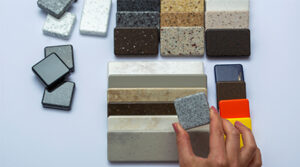
Dubai’s luxury real estate market operates on international standards. Developers are not only building homes; they are building international assets designed to attract investors from Europe, Asia, Russia, and North America. Key Takeaways Dubai developers prefer imported marble because it delivers consistent quality, prestige positioning, and long-term asset value. European marble is selected because global certification, durability testing, and quarry traceability reduce project risk. Imported marble supports premium pricing approaches because luxury buyers associate it with heritage, exclusivity, and global standards. Imported marble plays a strategic role in this positioning. It signals quality, longevity, and brand differentiation. Because buyers in Dubai compare properties across global cities, materials must meet international expectations What Is an Imported Marble? Imported marble refers to natural stone quarried outside the UAE and brought into the country for architectural and interior use. Common origins include Italy, Greece, Spain, and Turkey. What Makes Imported Marble Different from Local Stone? Imported marble is often selected because of its distinct veining patterns, controlled quarrying standards, and internationally recognised grading systems. Why Does Marble Choice Matter in Luxury Developments? Marble impacts property valuation because finish quality influences buyer perception, resale potential, and long-term durability. Global Marble Sources Preferred in Dubai Italy Italy is synonymous with luxury marble. Varieties like Carrara, Calacatta, and Statuario are widely used in premium villas and branded residences. Because Italian marble has centuries of architectural heritage, it carries prestige value. Greece Greek marble, especially Volakas, is known for subtle veining and uniform whiteness. Developers prefer it because it offers a balance between elegance and cost efficiency. Turkey Turkey supplies high volumes of marble globally. Turkish marble is popular in Dubai for contemporary designs because of its linear veining pattern. Data Points and Research Evidence According to the World Health Organization, city areas influence health outcomes through material quality and indoor environmental standards. High-quality natural materials are associated with better indoor air quality than man-made alternatives. Research from Harvard T. H. Chan School of Public Health shows that durable materials reduce lifecycle environmental costs because they require fewer replacements. The global natural stone market was valued at over USD 50 billion in recent sector reports, with the Middle East identified as one of the fastest-growing luxury construction regions. Because premium marble can increase perceived property value by 5 to 15 per cent in high-end markets, developers treat it as a strategic investment rather than a decorative upgrade. Studies in construction lifecycle analysis show that natural stone can last over 50 years with proper maintenance, markedly outperforming engineered alternatives in durability benchmarks. Comparison Table Marble Source Why Developers Prefer It Key Benefit Italy Heritage reputation and premium grading systems Enhances luxury positioning Greece Subtle aesthetics and consistent slabs Cost-efficient elegance Turkey Large-scale supply and modern textures Design flexibility Local Alternatives Lower transport cost Budget projects only Why Imported Marble Aligns with Dubai’s Strategy Dubai competes with cities like London and Monaco for ultra-high-net-worth investors. Because global buyers recognise European marble brands, developers use them to reinforce trust. Branded residences and hospitality-led developments often specify imported stone in marketing materials. This is done because material transparency strengthens buyer confidence. Cause and Effect: Why It Works Imported marble matters because luxury buyers associate origin with authenticity. It increases resale value because premium finishes influence appraisal benchmarks. It reduces long-term maintenance risk because higher-grade marble undergoes stricter quarry inspection standards. Conclusion Dubai’s top developers choose imported marble not for aesthetics alone, but for strategic positioning. Because luxury real estate depends on global credibility, material selection becomes part of brand storytelling. The most effective material strategy for premium developments in Dubai is not cost reduction. It is the deliberate use of internationally sourced marble that enhances brand value, buyer confidence, and long-term asset durability. Marmara Marble & Granite, with its deep sourcing expertise and understanding of Dubai’s luxury standards, helps developers and homeowners select internationally sourced marble that elevates design, protects long-term value, and meets global expectations. Tejesh Chinthagumpala Managing Director, Marmara Marble & GraniteWith over 10 years of experience in marble and granite processing, Tejesh leads the company with deep industry expertise and a commitment to excellence.📞 Contact us today to explore our exclusive stone collection: Phone: +971 6 5575824 Mobile: +971 55 550 5318 Frequently Asked Questions Q1. Why do Dubai developers rarely use only local stone? A: Because international buyers expect globally recognised materials in luxury properties. Q2. Is imported marble more expensive? A: Yes, transport and sourcing increase cost, but it improves perceived property value and resale potential. Q3. Does imported marble last longer? A: High-grade marble from established quarries often demonstrates superior density and longevity because of controlled extraction processes. Q4. Is imported marble environmentally sustainable? A: It can be sustainable when sourced from certified quarries and used in long lifecycle projects because durability reduces replacement frequency. A: Because international buyers expect globally recognised materials in luxury properties. A: Yes, transport and sourcing increase cost, but it improves perceived property value and resale potential. A: High-grade marble from established quarries often demonstrates superior density and longevity because of controlled extraction processes. A: It can be sustainable when sourced from certified quarries and used in long lifecycle projects because durability reduces replacement frequency.